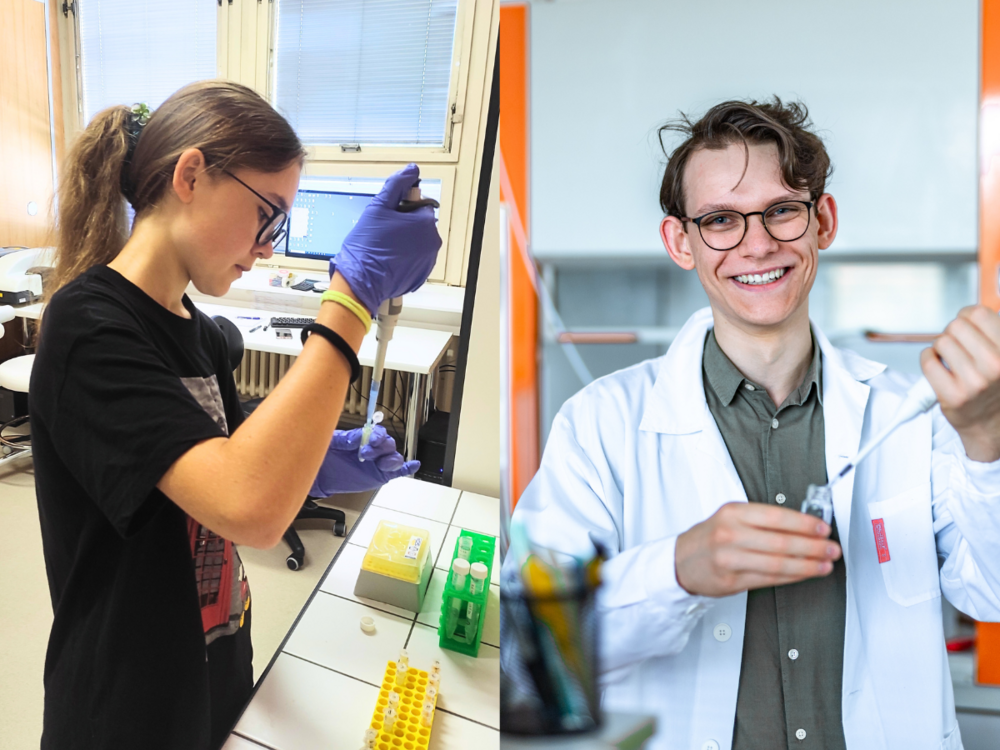

The first Caves and Karst Day: protecting nature below our feet
The new 13 September observance connects caves with the landscapes above them. You can learn about and help protect these places without organizing an underground cleanup.
ИЗСЛЕДВАНЕ · ДЕЙСТВИЕ · МЯСТО
Практични материали за почистване, възстановяване на природата, безопасно време навън и гражданска наука. Всяка статия стъпва върху посочени източници и води към конкретно действие.
РЕДАКЦИОННАТА КАРТА
Всеки стълб може да започне от feed сигнал, изследователски обзор, ръчна статия или въпрос от общността за бъдещия процес на изпращане.
ПУБЛИКУВАНИ
The new 13 September observance connects caves with the landscapes above them. You can learn about and help protect these places without organizing an underground cleanup.
Sofia’s cycling campaign and European Mobility Week raise a question that starts before the park gate. Record the route in enough detail for other people to judge whether it works for them.

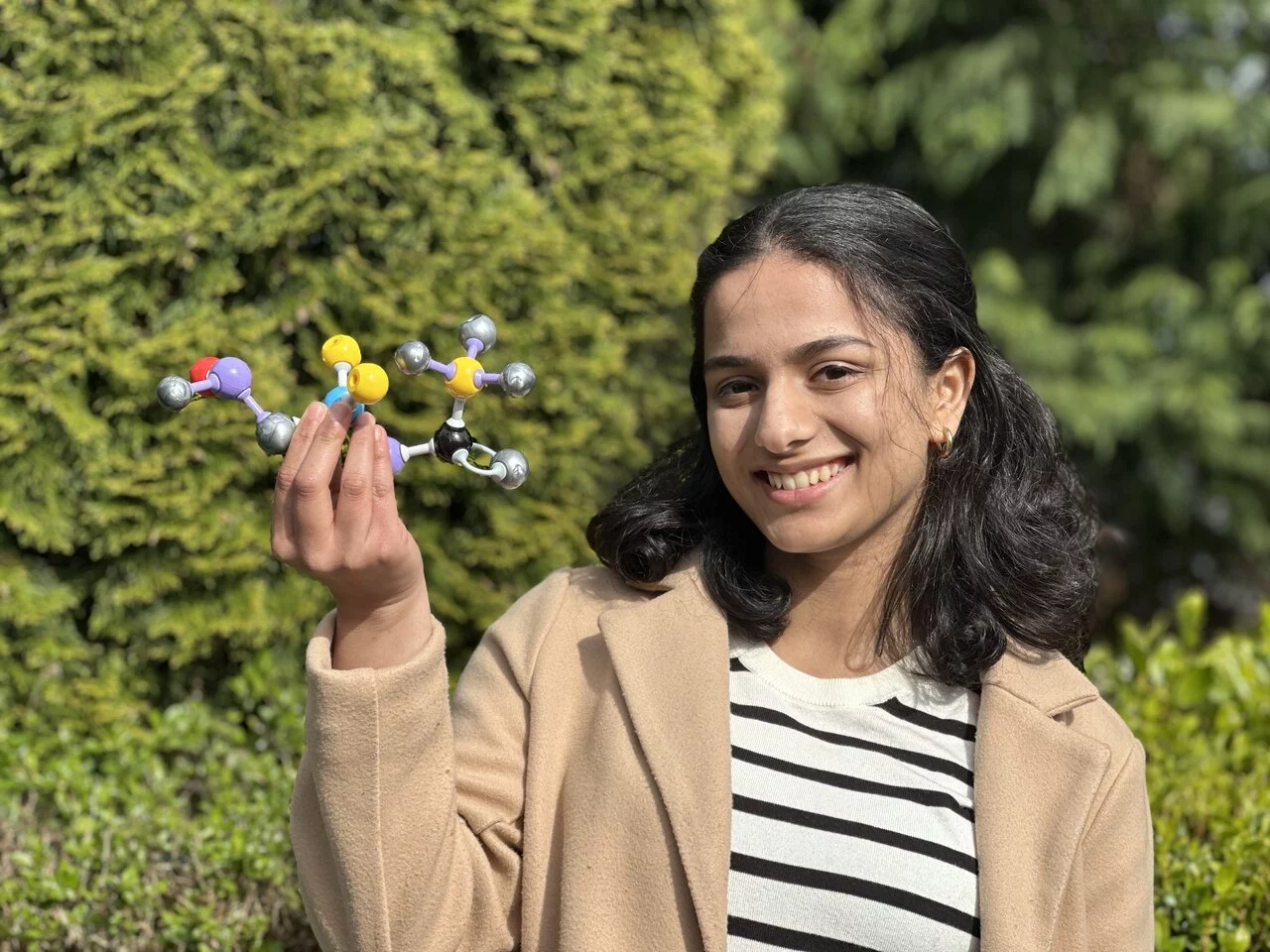
Arya Satheesh designed a biodegradable carrier that releases enzymes intended to break down nearby microplastics. The early result needs fuller analytical evidence.
A Hillcrest High team built a mobile, boat-shaped purifier concept for rivers and lakes. Its core design is still a prototype, not a field-proven cleanup fleet.

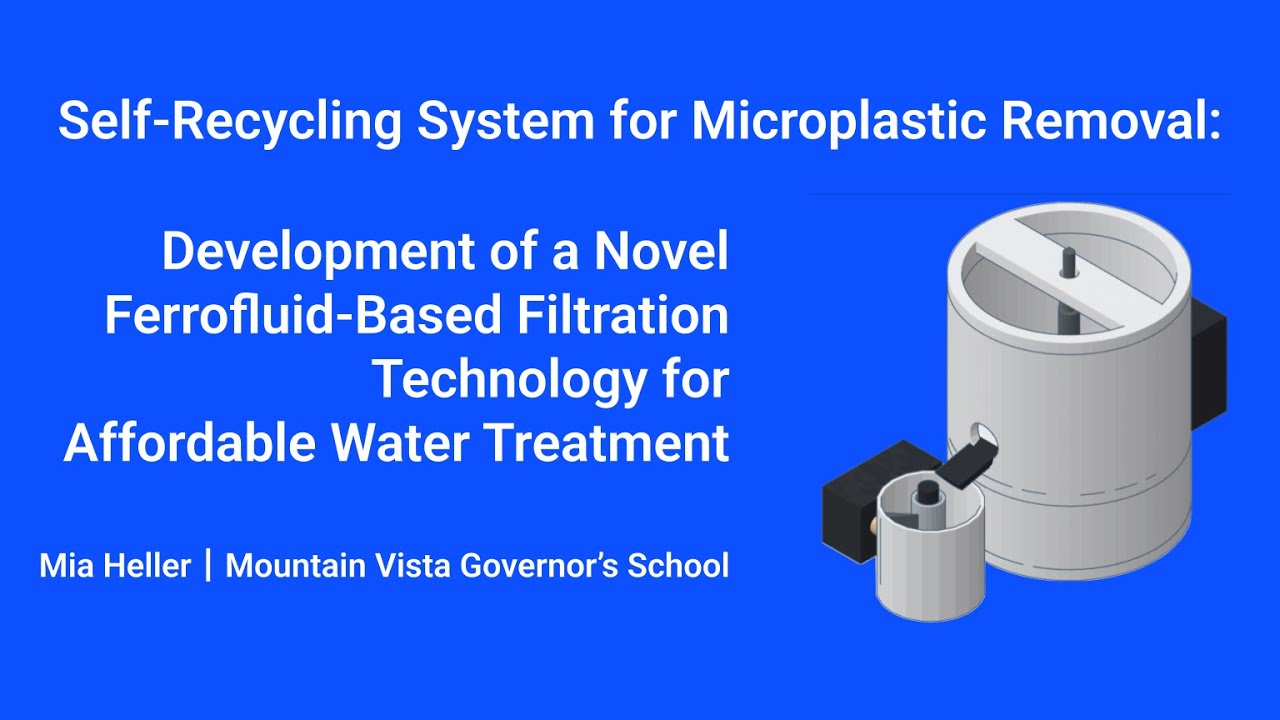
Mia Heller's closed-loop ferrofluid system reports high prototype removal, while leaving the harder questions of residue, scale, and independent validation open.
Two Arizona students built a small surface robot that skims water with a rotating collector and coconut-fiber filter. Ocean testing remains a future step.

Three Indian students use tamarind seed waste and magnetic separation to tackle microplastics in water. The prototype is promising, but its full performance is still unverified.

PURA combines cold plasma and photocatalysis in a student-built treatment concept aimed at pollutants and antibiotic-resistant bacteria.

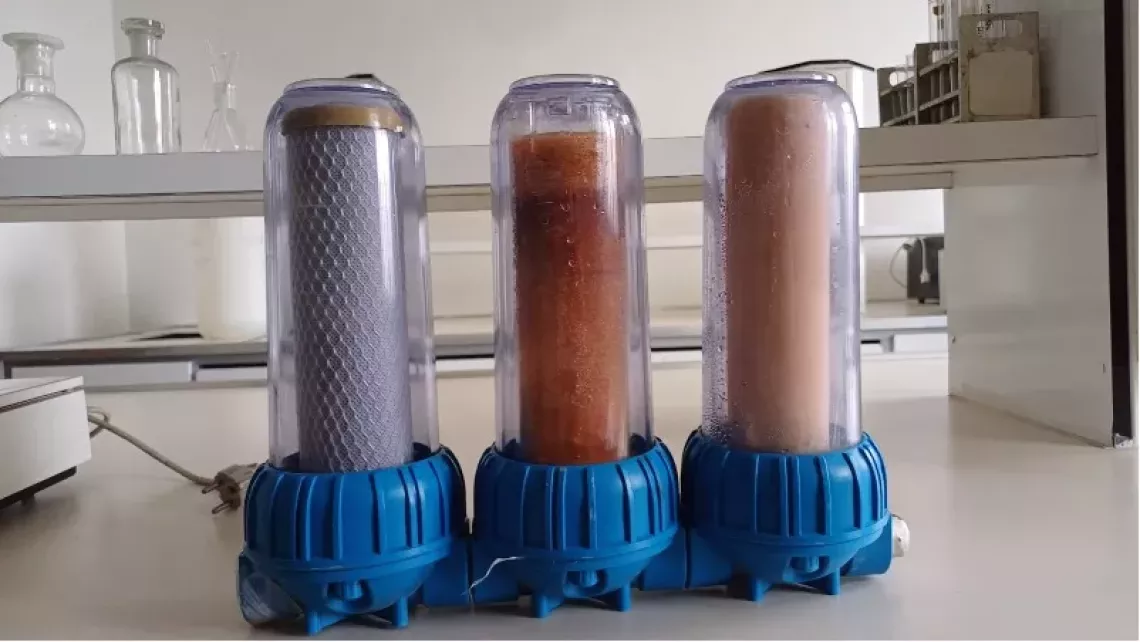
A team from Diyarbakır turns discarded mussel shells into a treatment medium for industrial wastewater. The reported capacity still needs independent testing.
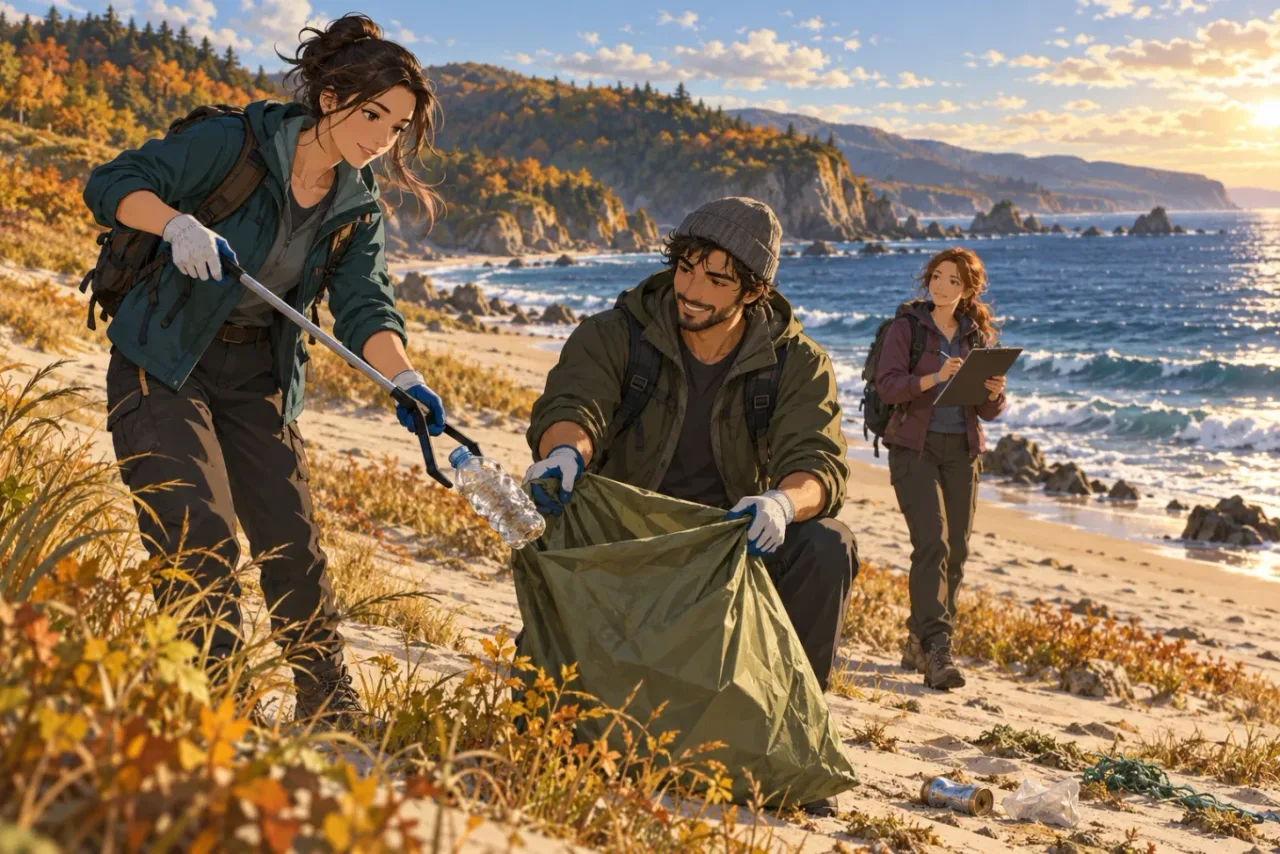
A cleanup becomes more useful when volunteers record the place, method, litter categories, and uncertainty alongside the number of bags collected.
September's professional calendar moves from building cleaning and cleanrooms to laundry automation and food-production hygiene. Here is what each event is for.
International Coastal Cleanup, National CleanUp Day, World Cleanup Day, and local campaigns converge on one weekend. Here is how to choose an event and record the work well.
A practical calendar for community cleanups, coastal campaigns, citizen science, and professional cleaning events taking place around the world this September.
Climate Week NYC returns from 20 to 27 September 2026 with a focus on electrification, energy demand, climate finance, buildings, nature, and delivery.
The 1 to 3 September 2026 Brussels gathering will connect Arctic policy with Indigenous knowledge, youth perspectives, science, and sustainable development.
The 23 to 24 September 2026 dialogue in Istanbul will bring governments, researchers, and civil society together around monitoring, finance, transport, and public communication.
From 27 to 30 September 2026, heads of delegation will meet in Bangkok ahead of INC-5.4, with regional consultations scheduled for 26 September.
The 15 to 17 September 2026 ICOS conference in Lund and online will connect greenhouse-gas observations, carbon-cycle science, data services, and policy.
On 7 September 2026, the UN observance will connect air pollution, public health, climate action, and the economic value of coordinated policy.
On 8 to 9 September 2026 in Brussels, LIFE RIPARIAS will bring its data, decision tools, and field experience to a final conference on invasive alien species.
NaturaConnect's 22 September Brussels event will examine how data, ecological corridors, and protected-area planning can strengthen Europe's nature network.
The 3 September 2026 online event will connect EU-funded water projects with local authorities looking for practical answers to drought, floods, pollution, and water scarcity.
On 29 September 2026 in Brussels, SYMBIOREM will present bio-based approaches for polluted soil, water, sediment, and brownfield recovery.
On 24 September 2026 in Lisbon, TALOS will present robotics and AI for land-based, floating, and agrivoltaic solar operations and maintenance.
From 7 to 11 September 2026, UNFCCC Climate Week 4 in Baku will focus on turning climate commitments into implementation and measurable work.
On 20 September 2026, World Cleanup Day will focus on food waste, recovery, composting, and the urban systems that turn leftovers into pollution.
World Ozone Day on 16 September 2026 will mark a decade since the Kigali Amendment and explain why efficient cooling is both an ozone and climate issue.
The 8 to 10 September 2026 Brussels workshop will present ZeroPM's work on persistent and mobile substances, safer alternatives, and water treatment.
Bulgarian research can help us ask where litter may come from, as long as every source label carries its uncertainty.
Date, place, evidence, uncertainty, and a careful license can turn a casual nature photo into a record others can check and reuse.
Native, locally suited plants, a realistic mowing plan, and repeated observations matter more than a one-season burst of flowers.
Europe's new restoration rules set a shared direction. A useful local project still starts with a place, a baseline, and a way to measure change.
A quick check of heat warnings, shade, and air quality can make an ordinary walk safer and easier to repeat.
Black Sea litter is falling in the latest European assessment, but one cleanup number cannot grade a beach.
Garbamons Articles connects evidence, local action, and the places people already care about.
A consistent record of what, where, and when makes cleanup work easier to repeat and easier to learn from.
From wetlands and rivers to reefs and forests, the strongest restoration stories connect a method to a measurable change.
Outdoor wellbeing content should encourage exploration without turning general health information into personal medical advice.
A species sighting, water reading, or air-quality snapshot becomes more useful when it is tied to a place, time, and license.
Automation should discover and enrich story candidates; editorial rules should decide what becomes public.
A steady rhythm keeps the editorial mix useful without forcing every day to become a long-form news post.
ЖИВО ОТКРИВАНЕ
Последни сигнали от настроени първични източници. Това са само кандидати: те се свързват, оценяват и чакат преглед, преди да станат статия в Garbamons.
КАК РАБОТИ
Автоматизацията открива и обогатява кандидати. Редакционните правила пазят качеството и правата. По-късно изпратените от потребители статии ще влизат в същата система с модерация и атрибуция.
Feed + изследване
Надеждни RSS, API, набори от данни и първични източници стават кандидати за преглед.
Ръчна редакция
Оригинални обобщения, обяснения, ръководства, истории с данни и вграждания.
Общността по-късно
Потребителски статии са планирани с модериран процес и ясни източници.
НАБЛЮДАВАНИ ИЗТОЧНИЦИ