
Practical reading on cleanup, nature restoration, safer time outdoors, and citizen science. Every article names its sources and ends with a concrete action.
Seven ways into the story
Each pillar can start with a feed signal, a research brief, a manual article, or a community question waiting for a future submission flow.
Real or artificial tree, what to do with it in January, what fireworks do to air, animals and streets, and how to organise a safe New Year's Day cleanup, with Sofia's rules and a short checklist.
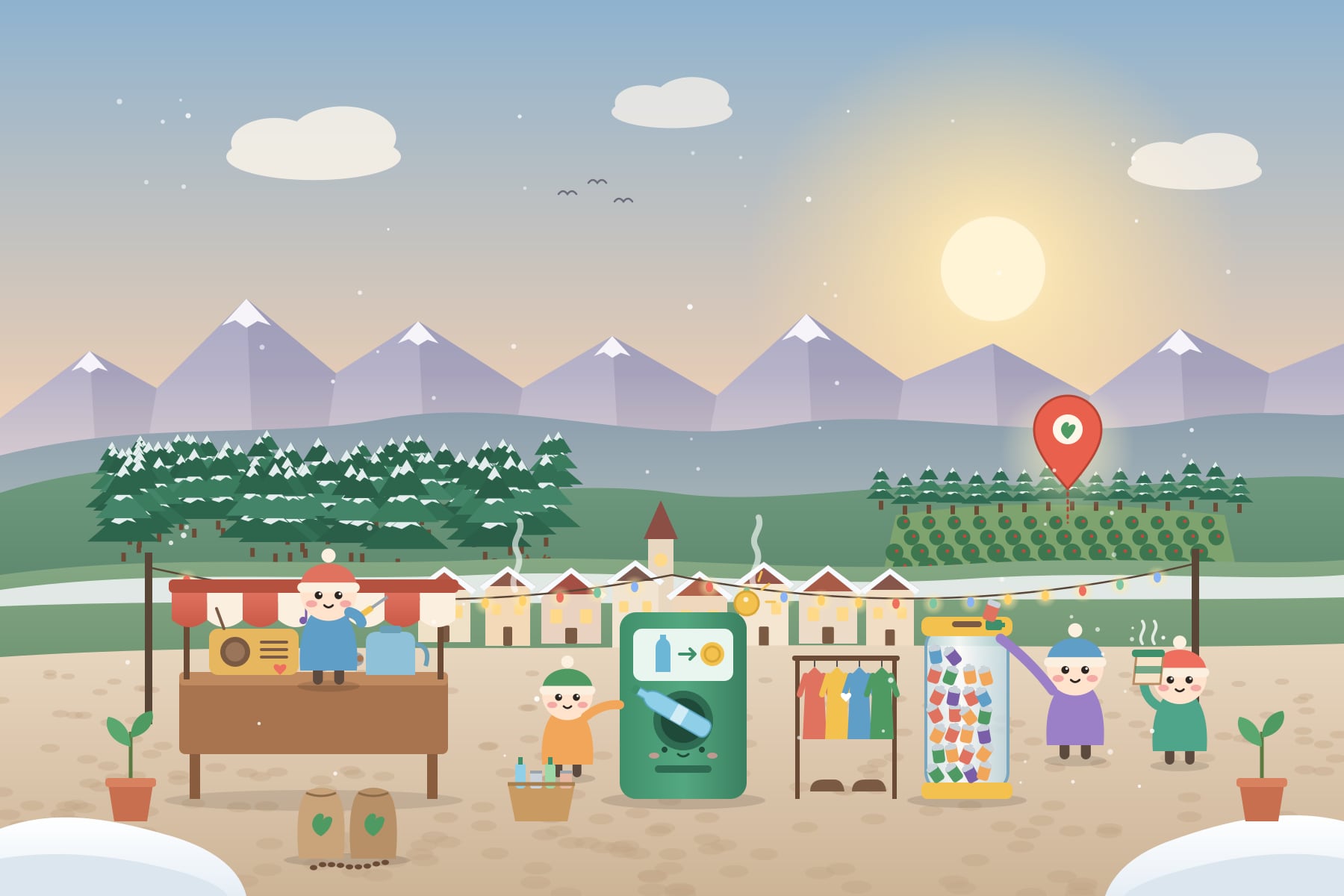
A dated guide to the EU rules that apply from December 2026 into 2027, from deforestation-free coffee and replaceable batteries to repair rights and the end of vague green claims, and to what is still stuck, including Bulgaria's deposit return system.
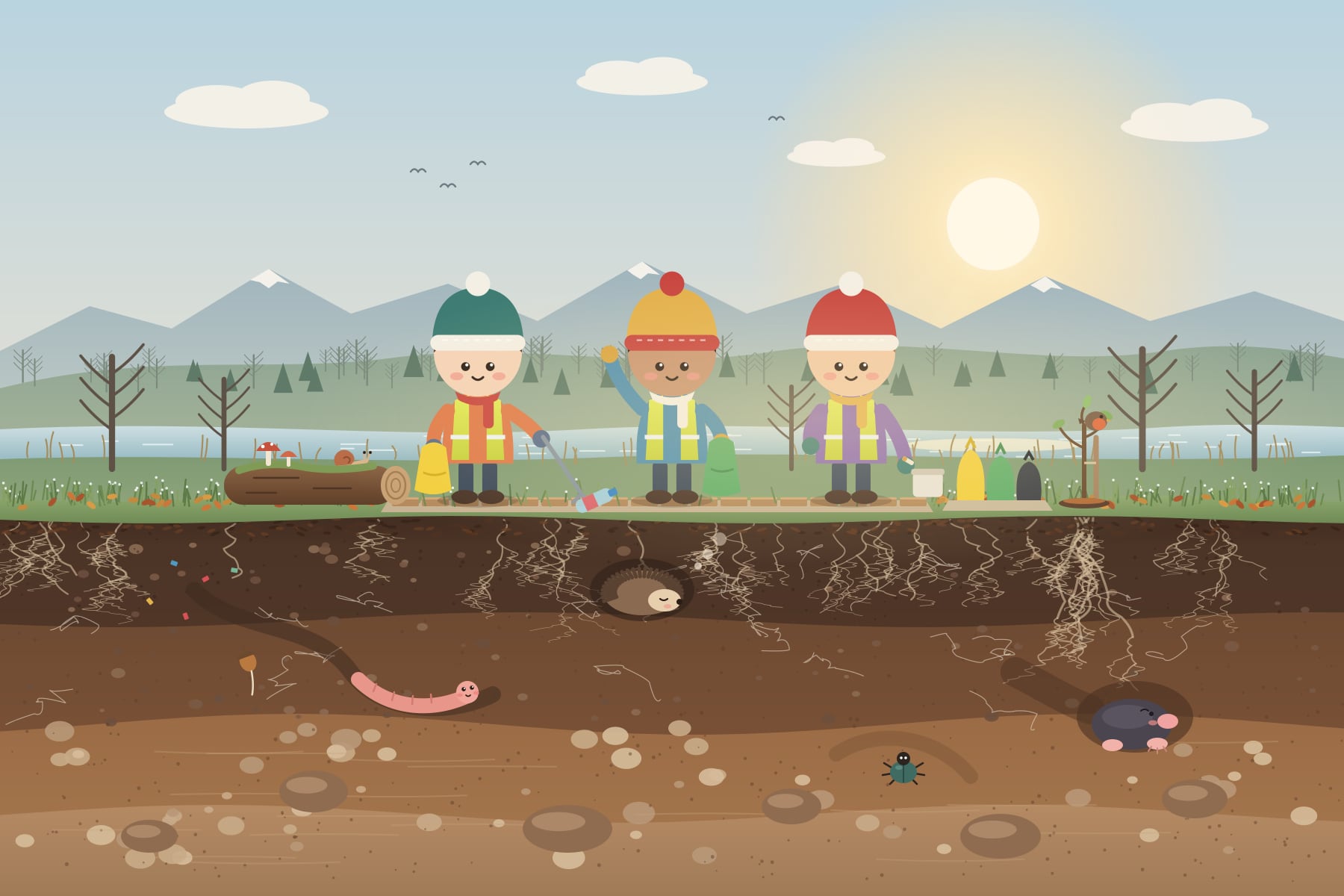
On Saturday 5 December, World Soil Day meets International Volunteer Day in the UN Year of Volunteers. Why soil matters, how litter harms it, what the new EU soil law changes, and a step by step plan for a cleanup that protects the ground.
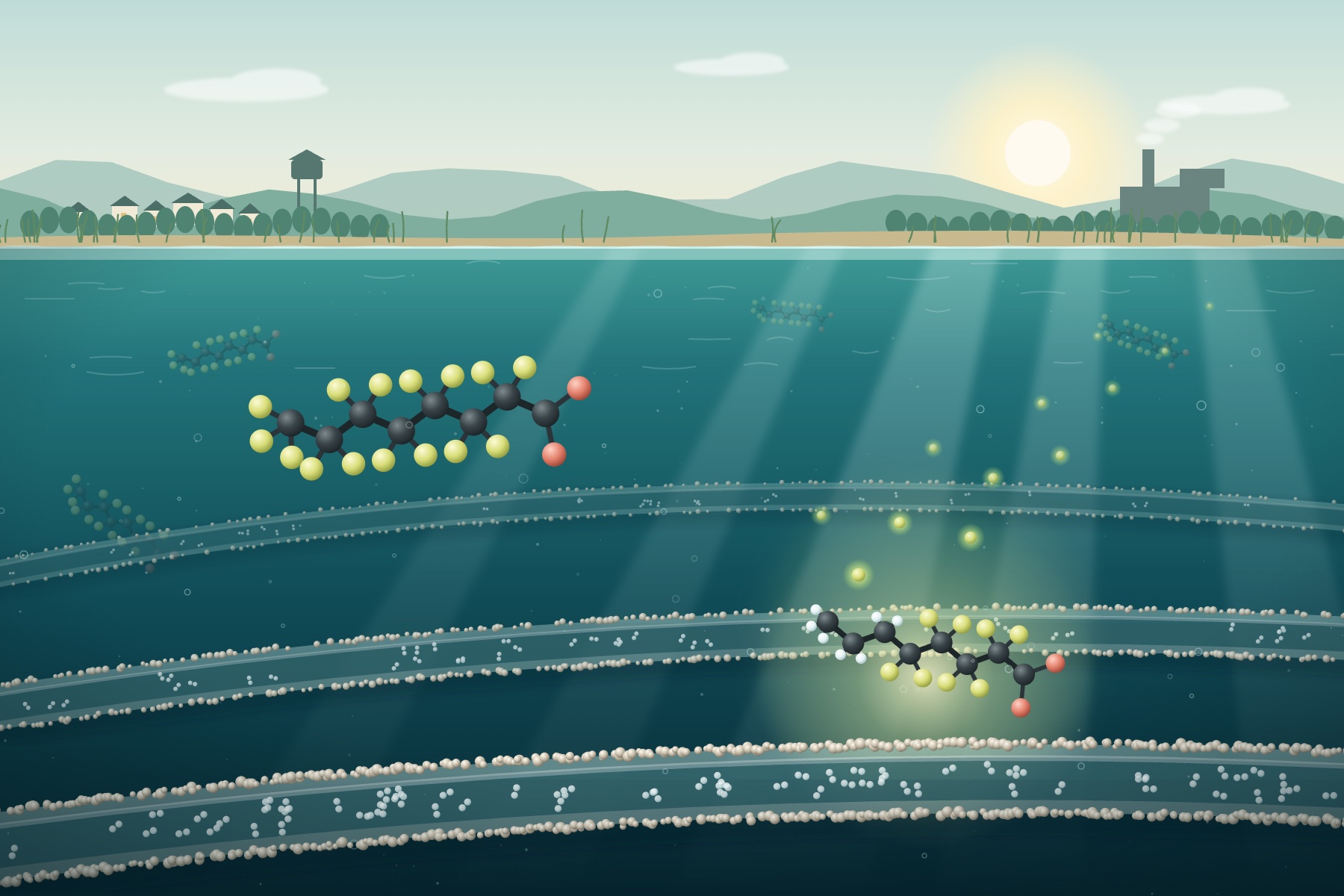
A palladium-coated membrane from Arizona State University destroyed six regulated PFAS at room temperature for 58 days. We explain what forever chemicals do to people and nature, why destroying them is so hard, what the study does and does not prove, and how to reduce your exposure today.
When the climate summit opens in Antalya this November, the news will fill with targets, financial announcements and competing assessments of progress. For someone caring for a local river, park or neighbourhood, the useful question is how to follow those statements far enough to understand what they could change.
A machine that sorts waste, a sensor that detects a leak and a system that treats wastewater can all look convincing at an exhibition. The harder question comes afterwards: what would it take to make the technology work in a particular town, with its existing staff, infrastructure and budget?
On 31 October 2026, Black Sea Action Day reaches a significant anniversary: 30 years since the region's coastal countries signed the Strategic Action Plan for the Rehabilitation and Protection of the Black Sea. For a coastal community, that is a reason to look beyond a single cleanup photograph and ask what will be different at the same shore next month.
The cable that no longer fits anything. The wireless earbud that stopped charging. The toy with a broken light. Small electronics are easy to forget because each item seems too minor to deserve a special trip. International E-Waste Day on 14 October 2026 puts those objects at the centre of the conversation.
A bird list can be a pleasant souvenir of a morning outdoors. With a little more context, it can also become a record that researchers can use. World Migratory Bird Day on 10 October 2026 is an invitation to make that second kind of list, whether you are watching a familiar park or visiting a wetland for the first time.
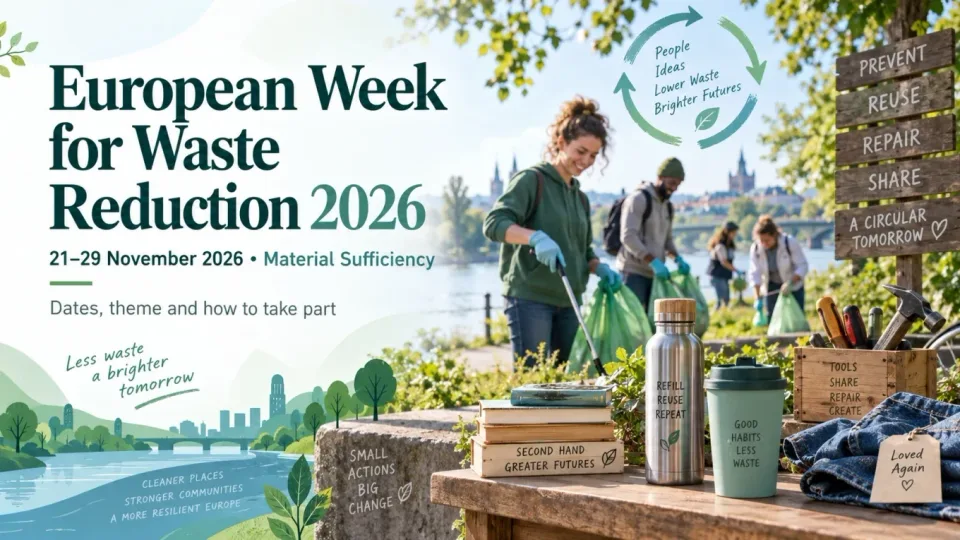
The European Week for Waste Reduction (EWWR) takes place from 21 to 29 November 2026, with the theme “Material Sufficiency.” Registration for actions runs from 1 September to 15 November. The campaign brings together people and organisations to explore how to use fewer resources and prevent waste before it is created.[1]
The new 13 September observance connects caves with the landscapes above them. You can learn about and help protect these places without organizing an underground cleanup.
Sofia’s cycling campaign and European Mobility Week raise a question that starts before the park gate. Record the route in enough detail for other people to judge whether it works for them.
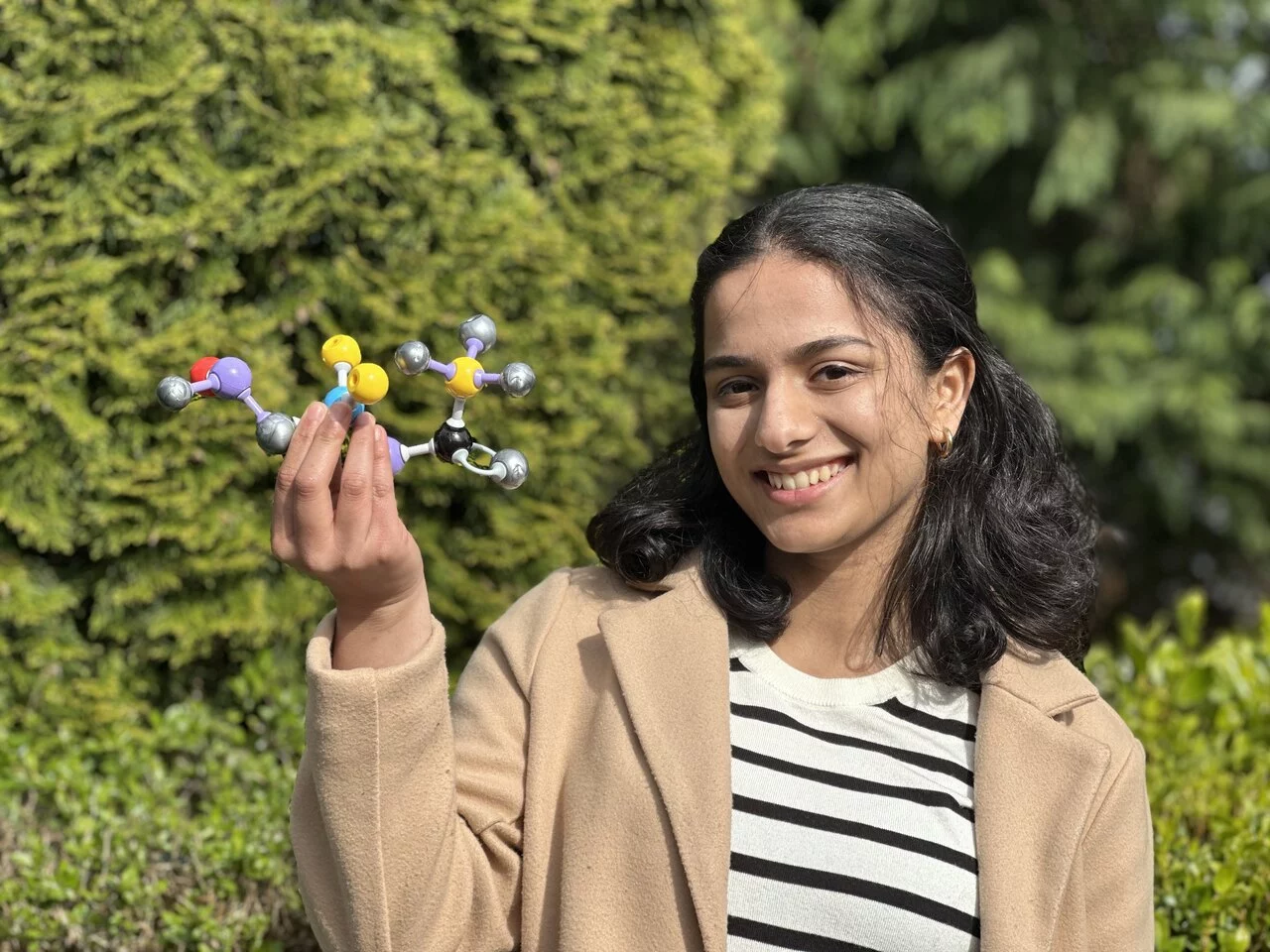
Arya Satheesh designed a biodegradable carrier that releases enzymes intended to break down nearby microplastics. The early result needs fuller analytical evidence.
A Hillcrest High team built a mobile, boat-shaped purifier concept for rivers and lakes. Its core design is still a prototype, not a field-proven cleanup fleet.
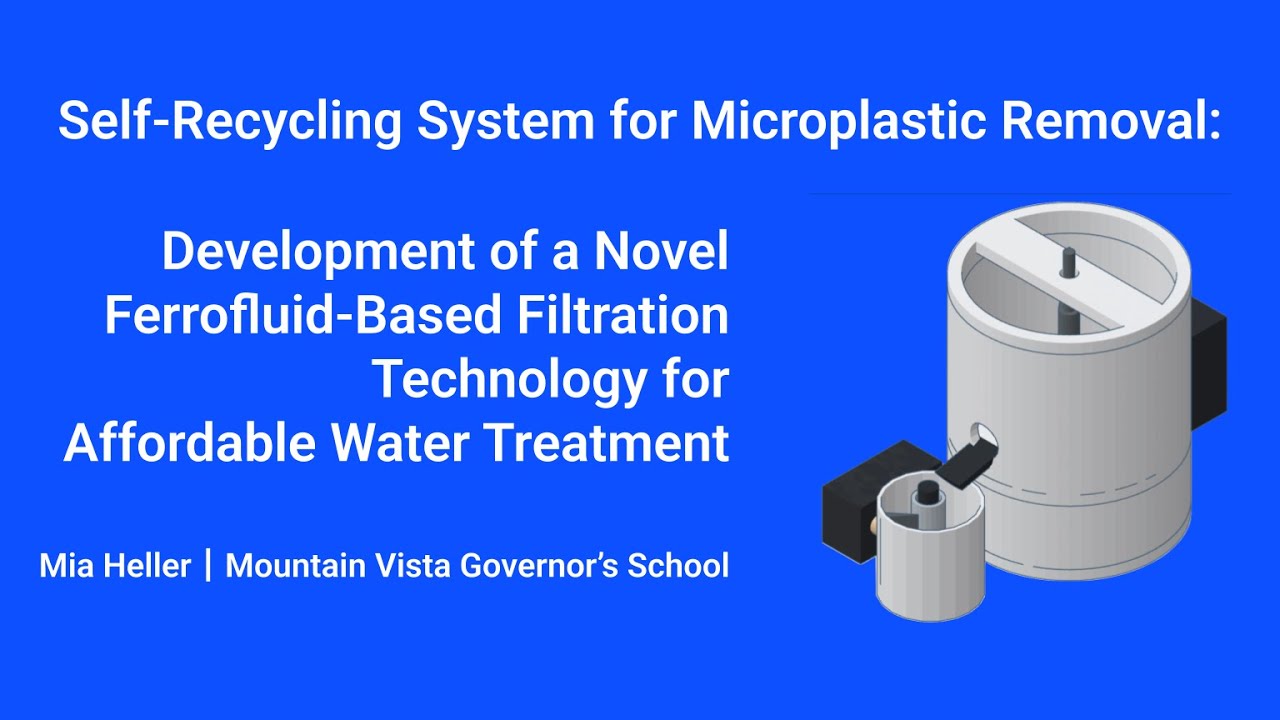
Mia Heller's closed-loop ferrofluid system reports high prototype removal, while leaving the harder questions of residue, scale, and independent validation open.
Two Arizona students built a small surface robot that skims water with a rotating collector and coconut-fiber filter. Ocean testing remains a future step.
Three Indian students use tamarind seed waste and magnetic separation to tackle microplastics in water. The prototype is promising, but its full performance is still unverified.
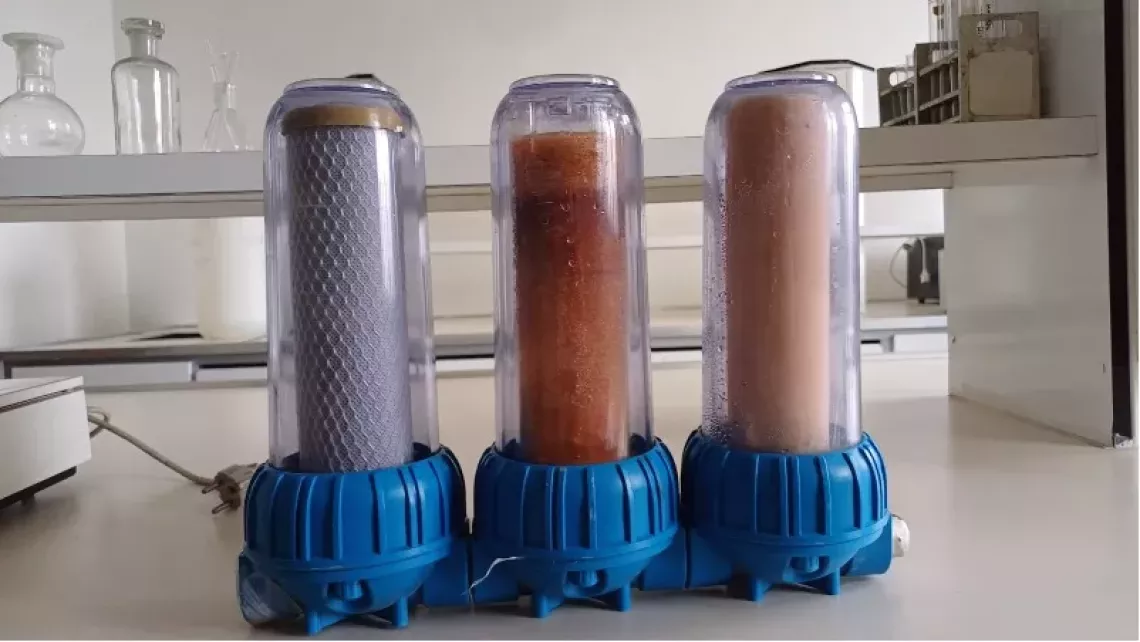
A team from Diyarbakır turns discarded mussel shells into a treatment medium for industrial wastewater. The reported capacity still needs independent testing.
September's professional calendar moves from building cleaning and cleanrooms to laundry automation and food-production hygiene. Here is what each event is for.
International Coastal Cleanup, National CleanUp Day, World Cleanup Day, and local campaigns converge on one weekend. Here is how to choose an event and record the work well.
A practical calendar for community cleanups, coastal campaigns, citizen science, and professional cleaning events taking place around the world this September.
Climate Week NYC returns from 20 to 27 September 2026 with a focus on electrification, energy demand, climate finance, buildings, nature, and delivery.
The 1 to 3 September 2026 Brussels gathering will connect Arctic policy with Indigenous knowledge, youth perspectives, science, and sustainable development.
The 23 to 24 September 2026 dialogue in Istanbul will bring governments, researchers, and civil society together around monitoring, finance, transport, and public communication.
The 15 to 17 September 2026 ICOS conference in Lund and online will connect greenhouse-gas observations, carbon-cycle science, data services, and policy.
On 8 to 9 September 2026 in Brussels, LIFE RIPARIAS will bring its data, decision tools, and field experience to a final conference on invasive alien species.
NaturaConnect's 22 September Brussels event will examine how data, ecological corridors, and protected-area planning can strengthen Europe's nature network.
The 3 September 2026 online event will connect EU-funded water projects with local authorities looking for practical answers to drought, floods, pollution, and water scarcity.
World Ozone Day on 16 September 2026 will mark a decade since the Kigali Amendment and explain why efficient cooling is both an ozone and climate issue.
A steady rhythm keeps the editorial mix useful without forcing every day to become a long-form news post.
Aug 5, 2026Read article
Feed radar
Recent signals from configured primary feeds. These are candidates only: they are linked, scored, and held for review before any Garbamons article is published.
Review required
Checking trusted feeds for new signals...
A publication with three lanes
Automation discovers and enriches candidates. Editorial rules protect quality and rights. Community submissions can join the same system later, with moderation and attribution built in.
Feed + research
Trusted RSS, APIs, datasets, and primary sources become reviewable candidates.
Manual editorial
Original Garbamons summaries, explainers, guides, data stories, and embeds.
Community later
User-submitted articles are planned for a moderated, source-aware workflow.